
How to Select the Right YSA Servo Spindle for Your CNC Automation Line
How to Select the Right YSA Servo Spindle for Your CNC Automation Line
In the competitive landscape of modern manufacturing, upgrading from traditional pneumatic or mechanical power heads to advanced servo spindle units is a critical step for OEMs and automation integrators. However, selecting the perfect servo spindle (often still referred to in the industry as a power head) requires a careful evaluation of your specific machining needs.
At YSA, backed by the engineering expertise of Chuanneng Automation, we have helped countless clients optimize their drilling, milling, and rigid tapping operations. Based on our years of industry experience, here are the key factors you must consider when selecting a YSA servo spindle for your production line.
1. Define Your Machining Material and Capacity
The first step in spindle selection is understanding what you are cutting. The hardness of your workpiece directly dictates the required torque and rigidity. For instance, if you are machining soft aluminum alloys for 3C electronics heat sinks, a standard YSA BD03 spindle unit will easily handle drilling and tapping up to M8. However, if you are processing high-strength S45C steel or aerospace titanium, you need to ensure the spindle's torque output and structural rigidity can withstand the cutting forces without deflecting. Always match the spindle's drilling and tapping capacity chart to your maximum workpiece material.
2. Prioritize Precision and Structural Rigidity
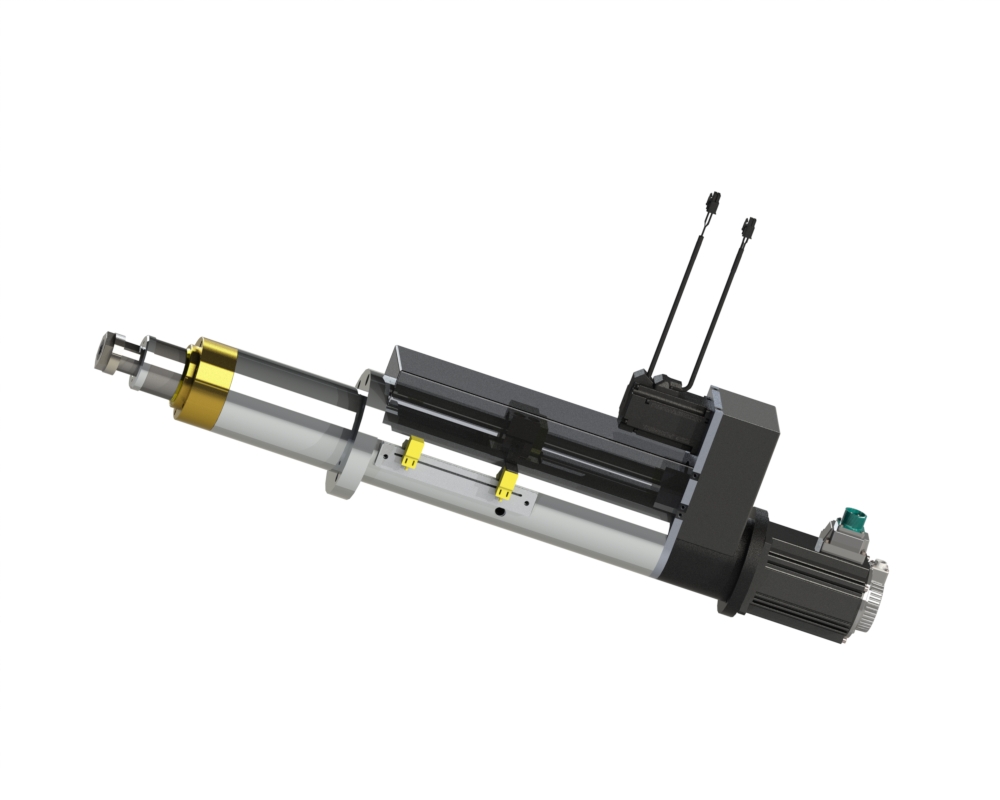
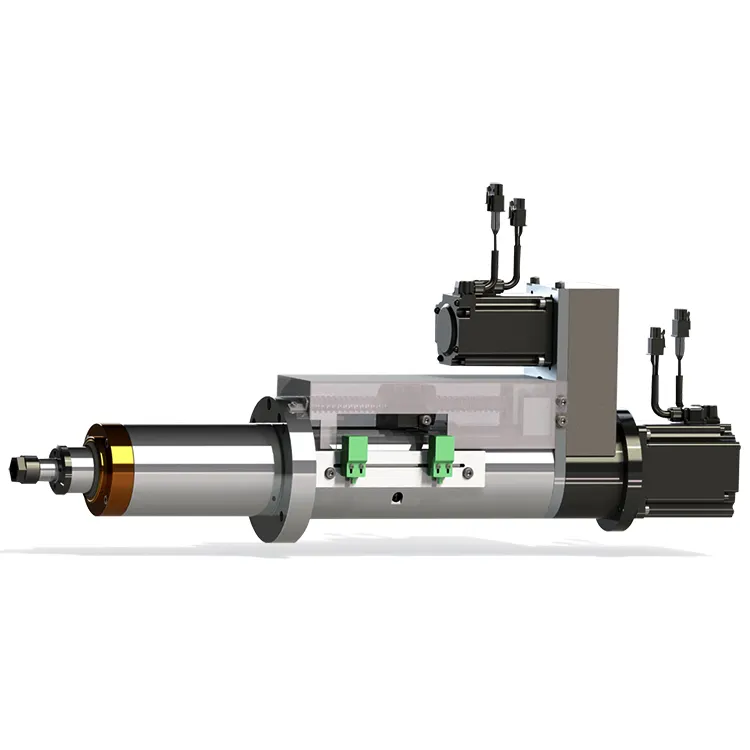
In precision industries like medical devices and automotive components, even a microscopic deviation can lead to scrapped parts. When evaluating a servo spindle, pay close attention to the radial runout and housing design. YSA spindles, such as our BD03 and BD05 series, feature a high-precision, one-piece integrated machined housing. This design eliminates assembly errors and guarantees exceptional rigidity, keeping the radial runout to an ultra-precise 0.003mm. This level of precision not only ensures perfect hole quality but also significantly extends tool life.
3. Analyze Speed Requirements and the Dual-Servo Advantage
Different tools and materials require different cutting speeds. If your application involves high-speed drilling of micro-holes, you need a spindle capable of reaching up to 12,000 RPM. More importantly, look at the drive structure. YSA utilizes an innovative dual-servo structure, where one servo motor controls the spindle rotation and the other independently controls the Z-axis feed. This allows for perfect synchronization during rigid tapping, eliminating the need for floating tap holders and ensuring flawless thread profiles, which is a massive advantage over traditional single-motor power heads.
4. Consider Stroke Control and Flexibility
Production lines often require quick changeovers. A good servo spindle should allow you to adjust the rapid traverse and cutting stroke digitally. With the YSA spindle control system, operators can freely set the maximum stroke (e.g., up to 80mm on the BD03), rapid feed, and cutting feed directly via the HMI. This programmable flexibility means you can switch between different part numbers in seconds, drastically reducing machine downtime.
5. Evaluate Integration and Customization Options
Every automation integrator has a preferred ecosystem. When selecting a YSA servo spindle, consider how it will integrate with your existing PLC or CNC controller. We offer highly customizable solutions, allowing you to specify your preferred servo motor brands to match your current electrical cabinets. Additionally, consider the tooling interface. While our standard models feature ER16 or ER20 collets, we can customize the output shaft to JT1 or other specific interfaces to fit your existing tool inventory.
6. Factor in Maintenance and Operating Environment
Downtime is the enemy of profitability. Look for spindle units designed for harsh environments with minimal maintenance. YSA servo spindles are engineered with premium angular contact bearings (like 7002C) and high-quality oil seals to provide excellent protection against coolant and metal chips. Our maintenance-free design philosophy ensures that your power head runs reliably shift after shift, lowering your total cost of ownership.
Making the Right Choice with YSA
Selecting the right servo spindle is not just about buying a component; it is about investing in the efficiency and precision of your entire manufacturing process. By carefully evaluating your material, precision needs, speed requirements, and integration preferences, you can choose the perfect YSA spindle unit to elevate your production capabilities.
If you are unsure which YSA servo spindle model (BD03, BD05, or our custom electric spindles) is the best fit for your specific application, our engineering team is ready to help. Contact Chuanneng Automation today for a free technical consultation and let us design a tailored spindle solution for your automation line.
 How to Select the Right YSA Servo Spindle for Your CNC Autom
  YSA BD03 High-Precision Dual Servo Drilling and Tapping Sp
  How to Properly Choose Drill Bits for Drilling Operations wi
  Detailed Explanation of Main Control Modes for Tapping Spin