
Common Causes and Countermeasures for Interrupted Cutting Tools in Precision Drilling
In the field of machining, drilling is one of the common but highly technical processes. Especially in high-precision and high-efficiency production lines, breaking the tool not only affects the processing efficiency, but also brings additional costs and safety hazards. Based on practical applications, this paper sorts out several common situations that easily lead to tool breaking in drilling processing, and combines
YSA Isa explores reliable solutions with its technical expertise in the field of precision transmission and control.
First, tool selection and quality issues
During the drilling process, the tool material, geometric angle and wear state directly affect its service life. Low-quality drill bits or worn tools are prone to chipping or breaking when stressed. Especially in
Under high-speed drilling and large feed conditions of the spindle, the risk of tool fracture significantly increases if there are micro-cracks or material inhomogeneity in the tool.
Second, the spindle system is not accurate enough
Drilling spindle head
Rigidity and dynamic balance performance are the key to ensure stable machining. If the spindle radial runout is too large or there is a gap in the bearing, it is easy to generate vibration during drilling, resulting in uneven force and breaking of the tool.
YSA's high-precision electric spindles, with their excellent dynamic balance design and rigid support, can significantly reduce such risks.
Third, poor cooling and chip removal
Especially in deep hole machining, if the chips cannot be discharged in time, they will wrap around the tool, increasing the torque load and friction heat, resulting in annealing of the tool material, rapid wear of the cutting edge and even fracture. Reasonable coolant pressure, flow and nozzle angle
Precision drilling is crucial.
Fourth, improper setting of processing parameters
Excessive feed speed and mismatch between rotational speed and feed are common reasons for on-site knife breakage. Excessive feed will cause the drill bit to withstand instantaneous high load, especially when the material hardness is uneven or there are inclusions, it is easy to collapse the blade. In addition, when the surface of the workpiece has bevels or bumps, if the pre-drilling is not used or the initial feed is reduced, it is also easy to cause the tool to break under partial load.
Fifth, the influence of workpiece material and structure
When machining hard materials (such as hardened steel and titanium alloys), if the corresponding coating and geometric angle of the tool are not selected, and the parameters are adjusted reasonably, the tool wear will be accelerated sharply. Uneven materials such as laminated materials and cast pores can also easily cause sudden fracture of the tool.
Reliable guarantee for precision drilling: high-performance spindle systems
In order to address the above issues, it is particularly crucial to choose a reliable power and execution system.
YSA's drilling motors and integrated spindle solutions feature high torque density, excellent heat dissipation, and precise control. The spindle system maintains low vibration and noise even at high speeds, supporting constant torque output and rapid response, significantly enhancing the stability of precision drilling and tool life.
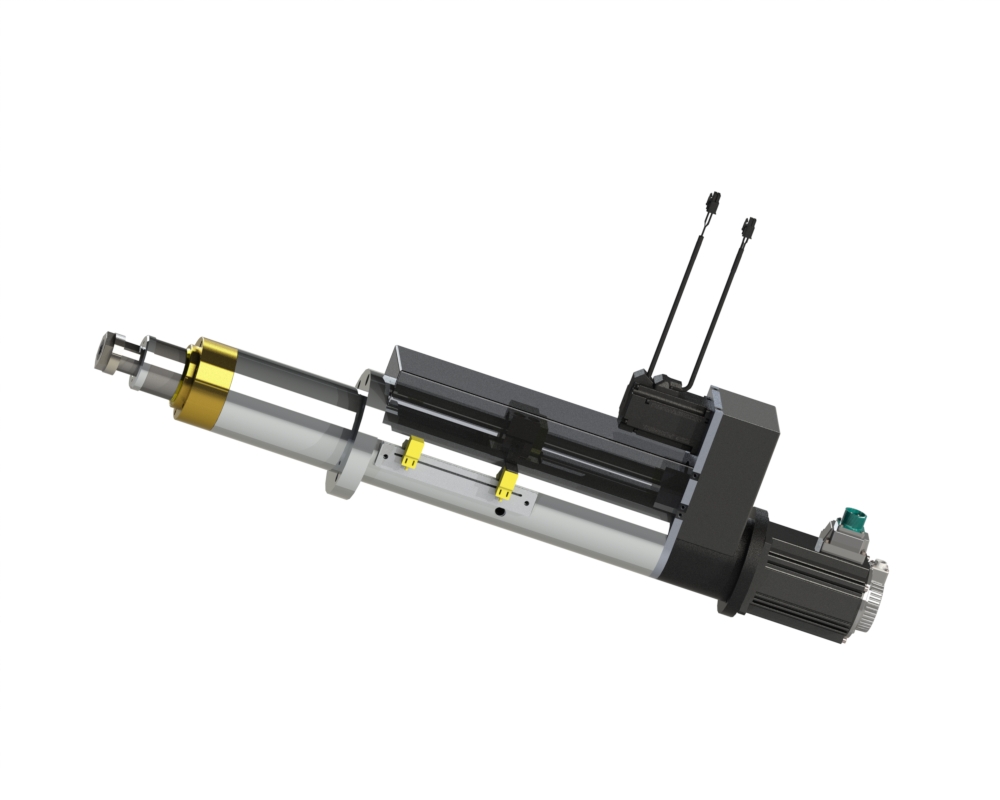 How to Select the Right YSA Servo Spindle for Your CNC Autom
 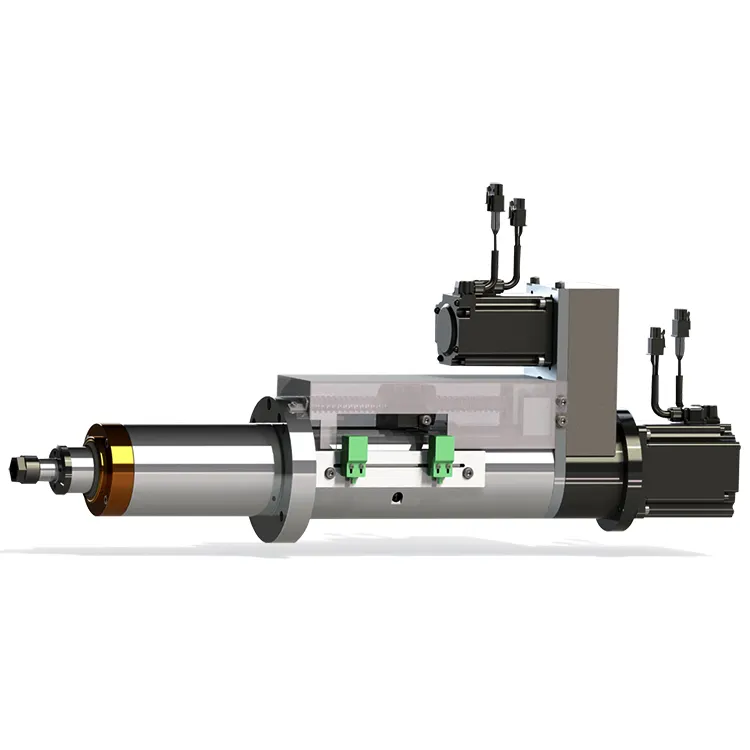 YSA BD03 High-Precision Dual Servo Drilling and Tapping Sp
 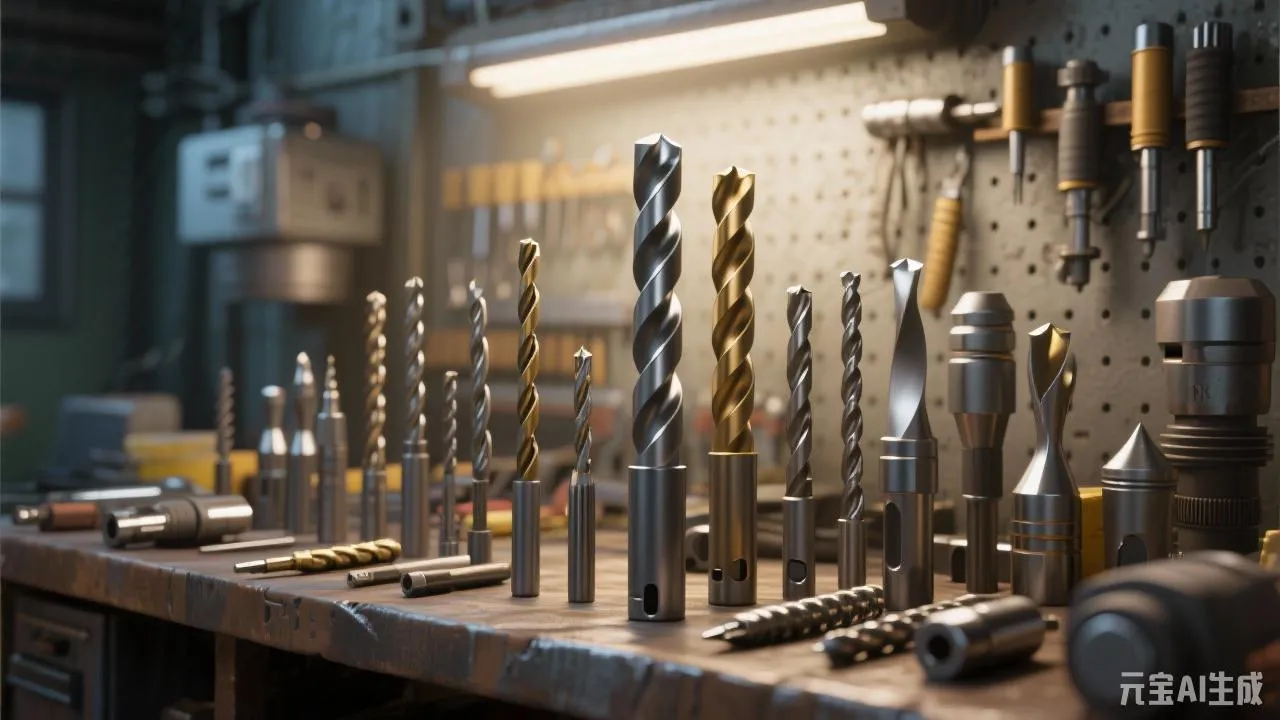 How to Properly Choose Drill Bits for Drilling Operations wi
 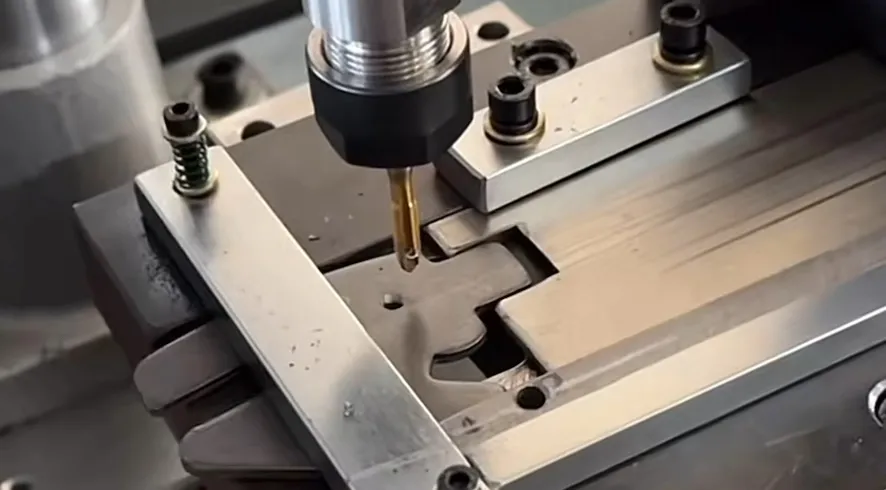 Detailed Explanation of Main Control Modes for Tapping Spin